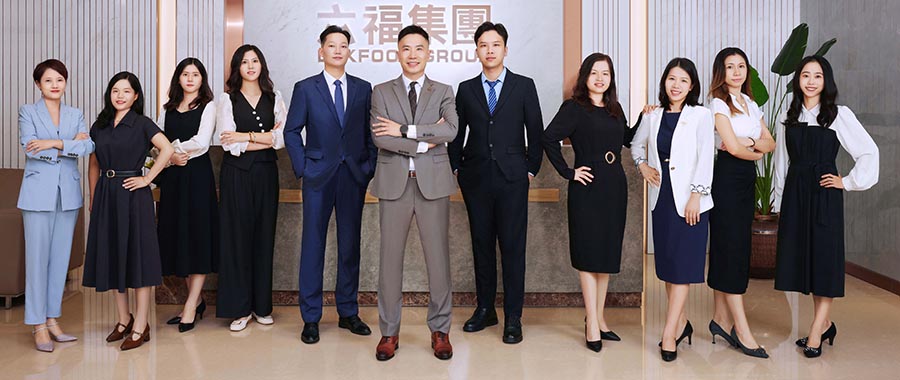
Casio agrees to compensation
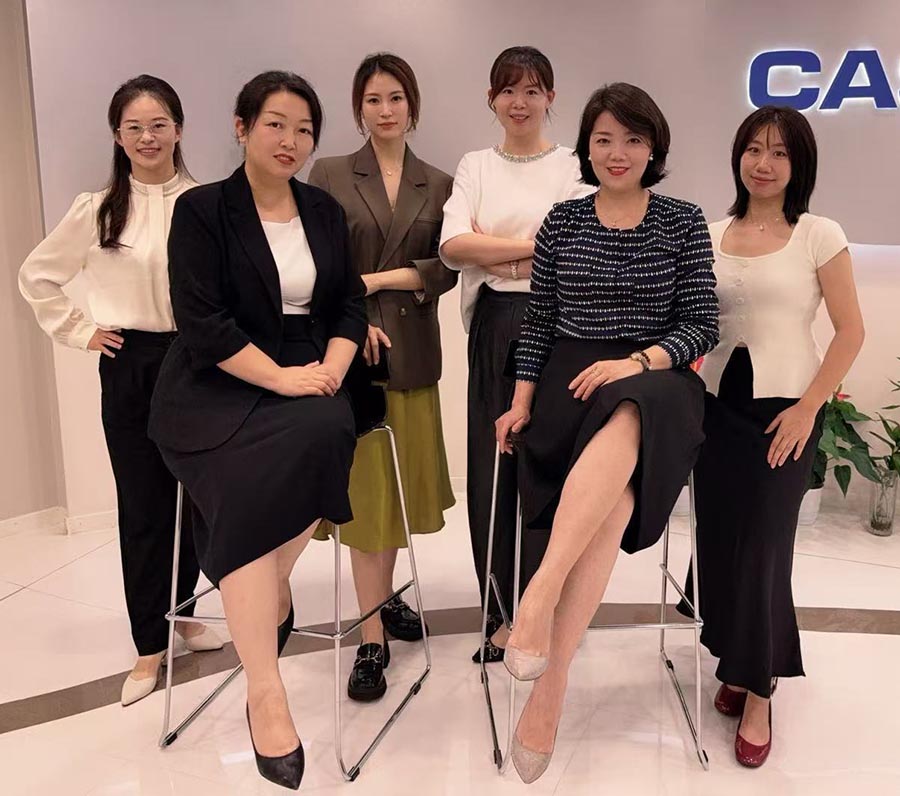
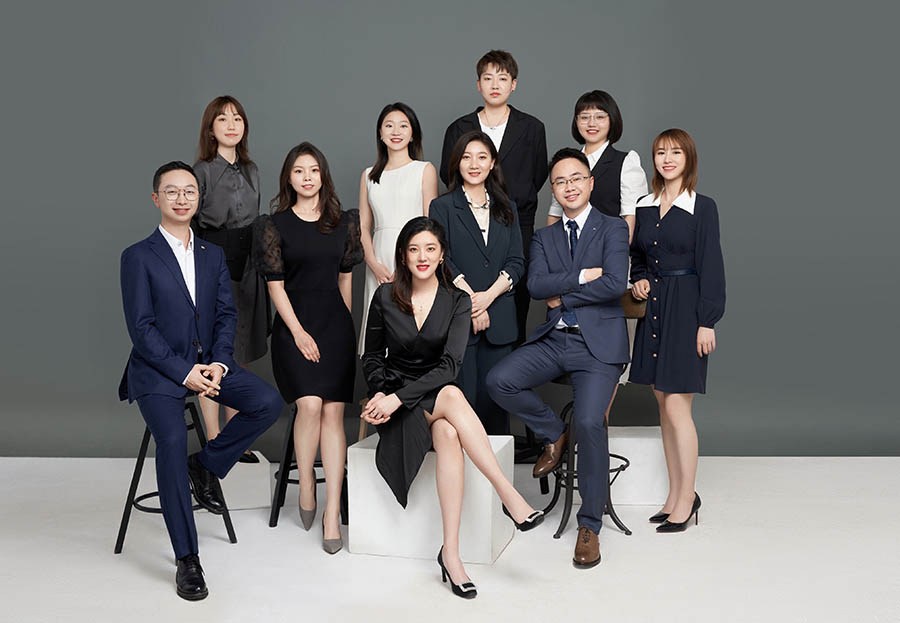
LEGAL TEAM: Legal & Intellectual Property Department of Casio (China)
TEAM LEADER: Wang Wenping, general manager
KEY POINTS: In 2021, under the mediation of the Guangzhou Development Zone Intellectual Property Bureau, Casio reached a compensation agreement with a Guangzhou-based tech company, concluding a design patent infringement dispute that it initiated. The compensation amount of RMB1.7 million (USD230,000) set a record as the highest settlement in a patent administrative adjudication case in the province.
A year prior, Casio discovered that the watches manufactured and sold by a tech company infringed on two of its design patents. The infringing products were widely sold on platforms such as Tmall and JD.com, with total sales reaching RMB30 million.
Initially, the company only agreed to compensate a few hundred thousand renminbi for the infringements identified by administrative authorities. However, the final compensation agreement included both the related entities and the infringing products identified through evidence collection. Compared to traditional litigation, this enforcement approach significantly reduced both time and financial costs.
The case took less than six months from complaint filing to reaching a settlement. Hideyuki Kiuchi, general manager of Casio Group’s legal department, says: “Among all Japanese firms operating in China, I truly sense that Casio China’s legal team is the most outstanding and capable one.”
He praises the team for helping the company establish a dynamic IP protection strategy closely aligned with business needs and China’s market characteristics. The team not only pursued multi-channel rights protection but also “effectively cleaned up the market, providing a favourable environment for genuine products”.
WINNER REMARKS: Casio is a globally renowned consumer electronics company with a product line covering multiple categories such as watches, calculators, electronic dictionaries and musical instruments. Casio (China) has a legal and IP team that plays a crucial role in the overall operation of the company.
The team’s responsibilities include comprehensive risk management, litigation and dispute resolution, data compliance and other legal affairs, as well as representing Casio Computer in fully handling its various IP rights protection work in China. In addition to providing strong protection and support for the company’s compliance operations, the team has also led a series of IP rights litigation cases in recent years, with a winning rate of nearly 100% involving tens of millions of renminbi in compensation. It has been awarded more than 10 representative cases over the years, effectively curbing infringement, comprehensively protecting the company’s intangible assets, and making a wide impact in the industry.
Driscoll’s reversion of copyright rejection
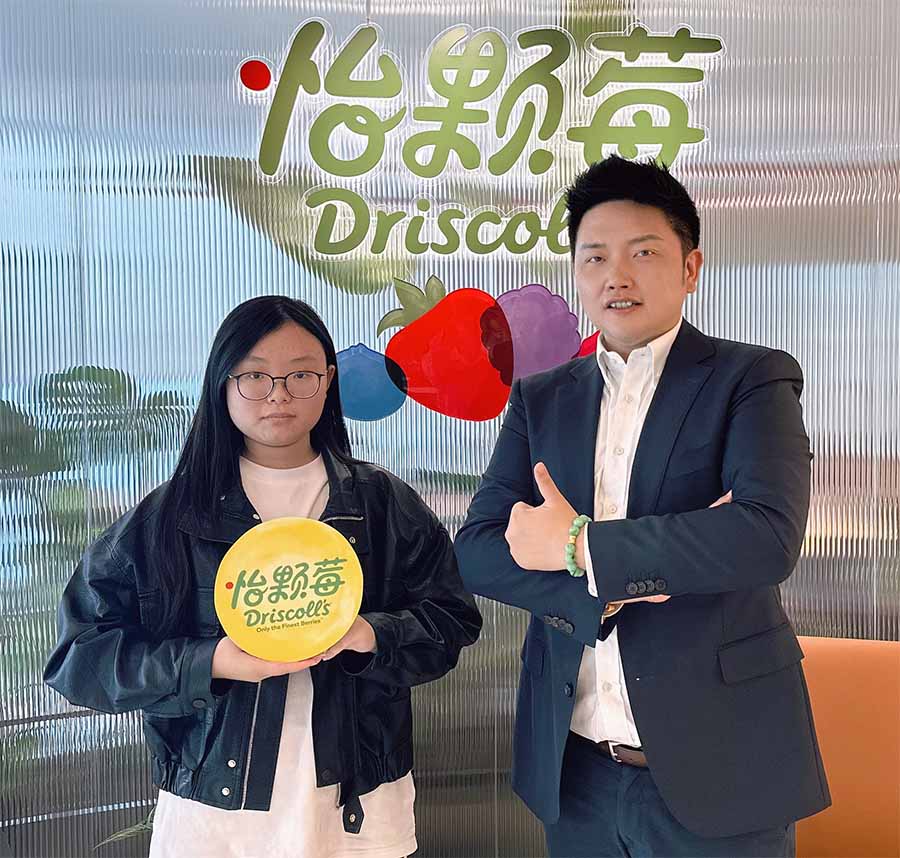
LEGAL TEAM: China Legal Team of Driscoll’s Management (Shanghai)
TEAM LEADER: Leon Li, regional legal manager, Asia-Pacific
KEY POINTS: A trademark rejection notice was issued by the China National Intellectual Property Administration (CNIPA) against the trademark 素颜草莓 (plain strawberry), a main product of Driscoll’s in China. The rejection stated that the trademark lacked distinctiveness and did not possess the function of trademark identification, making it ineligible for registration as a trademark.
Driscoll’s subsequently filed a lawsuit with the Beijing Intellectual Property Court, which held that the disputed trademark did not directly indicate the function, use or other characteristics of the goods and was sufficient for the public to recognise it as a trademark indicating and distinguishing the source of the goods. Therefore, the court ruled that the CNIPA should re-examine the case.
The CNIPA then appealed to the Beijing High People’s Court, arguing that if the name were used as a trademark on packaging for non-strawberry products, it could mislead consumers, thus violating relevant provisions of the Trademark Law. Ultimately, the Beijing High Court dismissed the appeal and upheld the first-instance judgment.
The case is a rare example in recent years where a first-instance defence succeeded after being accused of falling under article 11 of the Trademark Law, which states that certain marks “shall not be registered as trademarks”, setting a precedent for similar cases in the relevant field.
WINNER REMARKS: The legal team of Driscoll’s Asia plays a significant role in the company’s development by providing crucial legal support and services for the operation of the company in China and the Asian market.
Firstly, in the field of intellectual property, the legal team successfully handled trademark litigation, obtained favorable judgments, and laid a solid foundation for the company’s intellectual property layout in the Chinese market, demonstrating their professional abilities and strategic insight.
Secondly, in the area of data compliance projects, the legal team co-ordinated internal and external teams to ensure the compliant operation of the company’s data project, showcasing the team’s co-ordination and risk management capabilities.
Additionally, in matters of food safety legal issues, the legal team led the resolution of complex food safety issues, providing actionable legal advice for the company’s agricultural production of products and sales, demonstrating the team’s comprehensive understanding and problem-solving capabilities in addressing legal issues throughout the entire chain.
Luk Fook combats copycat infringement
LEGAL TEAM: Legal Affairs Department of Luk Fook Holdings (International)
TEAM LEADER: Irene Cheung, senior legal counsel
KEY POINTS: The Chinese name of Xiliufu is similar to that of Luk Fook, therefore Luk Fook Group filed a lawsuit with the Shenzhen Intermediate People’s Court against Xiliufu on the grounds of infringing on the exclusive trademark rights of “六福 (Luk Fook)” and “六福珠宝 (Luk Fook Jewellery)”, as well as unfair competition. In the end, the court found Xiliufu to be guilty of infringement and ordered compensation of RMB5 million (USD690,000).
At the time of the lawsuit’s initiation in 2019, Xiliufu had hundreds of franchise stores across 25 provinces. It also claimed to be a subsidiary of the Hong Kong-based Luk Fook Holdings, which raised concerns about misleading consumers. Determining whether such behaviour constitutes unfair competition requires a full assessment of factors such as the likelihood of market confusion, the infringer’s subjective intent, and the extent to which the infringing actions disrupt market order. Additionally, evaluating the specific losses suffered due to the infringement posed a significant challenge for Luk Fook’s legal team.
Wong Wai Sheung, the group’s chairman and CEO, praises the victory as a significant achievement in the group’s IP protection efforts. He says that it “greatly enhances the group’s confidence and determination in addressing similar infringement cases in the future”.
MGI Tech combats Illumina patent infringements
LEGAL TEAM: Intellectual Property and Legal Department of MGI Tech
TEAM LEADER: Wei Wei, secretary of the board
KEY POINTS: Complete Genomics, a subsidiary of BGI Manufacturing, filed a lawsuit in a US court against global gene sequencing giant Illumina, alleging that several gene sequencers and related reagents used by Illumina and its customers infringed BGI’s US patents. In May 2022, the jury found Illumina guilty of infringement and awarded damages of USD334 million, setting a record for the largest patent compensation won by a Chinese company overseas. In July, the two parties reached a settlement agreement for all pending litigation in the US, with a settlement amount of USD325 million.
BGI’s victory is regarded as a landmark case for guiding Chinese enterprises in overseas patent strategies. The case spanned three years and required frequent remote communication with US counterparts, which tested the efficiency and communication skills of the legal team. Additionally, the use of a jury trial required selecting lawyers with expertise in patent technology to effectively persuade a jury composed of US citizens.
Yu Dejian, president of BGI Manufacturing, compliments the legal team for demonstrating exceptional professionalism and strategic vision in the case. “Their outstanding performance not only reinforced the company’s market position but also set a benchmark for IP protection in the entire industry,” he says.
Nestlé (China) combats pre-emptive registration
LEGAL TEAM: Nestlé Zone Greater China (ZGC) Legal & Compliance team
TEAM LEADER: Cai Ping, head of legal & compliance, Nestlé ZGC
KEY POINTS: Nestlé discovered that its composite probiotic solid drink trademarks, “生命花园” and “Garden of Life”, had been pre-emptively registered in China. The company undertook a series of legal actions and, after five years, ultimately won the case. This outcome ensured that Nestlé could freely use the trademarks in question, allowing it to enter and expand the market without interference.
In addition to filing for the cancellation of the existing registrations, the legal team accurately anticipated that the opposing party would lodge malicious complaints on major e-commerce platforms and attempt to transfer the trademarks to delay the trial process. They promptly took measures to prevent such actions.
The team also investigated the registrant’s trademarks in the UK and discovered that it was a shell company. After the trademarks were cancelled, considering the slim chances of success in an appeal, the team proactively initiated contact to facilitate a voluntary transfer of the trademarks without compensation.
Siemens combats copycat infringement
LEGAL TEAM: Intellectual Property Department of Siemens China
TEAM LEADER: Jiang Xiangwei, head of intellectual property
KEY POINTS: Siemens has long faced counterfeiting issues in the Chinese market. In 2019, its IP department identified more than 800 counterfeit companies using its name and launched a five-year anti-counterfeiting campaign. During this period, complaints were filed with administrative authorities against 302 targets, 99% of which were either deregistered or listed as operating abnormally.
Siemens also initiated nearly 100 lawsuits against counterfeit companies, maintaining a perfect winning record, with total civil compensation claims exceeding RMB200 million (USD27.5 million). By 2023, the number of surviving counterfeit companies that had not yet changed their names had dropped to single digits.
Several lawsuits from this rights protection campaign were selected as national or provincial Top 10 intellectual property cases of the year. Among them, the unfair competition and trademark infringement case of Siemens v Qishuai, concluded in July 2023, was particularly notable. The case was appealed to the Supreme People’s Court in the second instance, which awarded RMB100 million in damages, setting a historic record for similar cases.
Ingo Gehring, the head of name and trademark law at the company’s Munich headquarters, describes this rights protection campaign as a “highly significant” project. “Our colleagues in China have made tremendous efforts in advancing the project and achieved outstanding results,” he says.
Syngenta’s IP defence for seeds
LEGAL TEAM: Legal and Compliance Department of Syngenta Group China
TEAM LEADER: Cao Haiyang, general counsel and chief compliance officer
KEY POINTS: In response to severe infringement issues concerning the company’s seeds, Syngenta China’s legal team established a specialised seed rights protection and anti-counterfeiting team. By the end of 2023, the team had filed more than 100 administrative complaints related to seeds, generating cumulative revenue exceeding RMB400 million (USD55 million). In the past three years, the legal team has helped the company avoid or recover direct losses of more than RMB100 million in the seed sector.
According to the team, agricultural IP protection in China started relatively late, and faces challenges such as a lack of specialised talent and corresponding policy support. While leading the company’s rights protection efforts, Cao Haiyang also advocated at the Supreme People’s Court for stronger protection of trade secrets in the seed industry. He proposed increasing infringement compensation amounts, enhancing punitive measures, and optimising evidence collection methods in cases.
Wong Lo Kat invalidates Macau mark
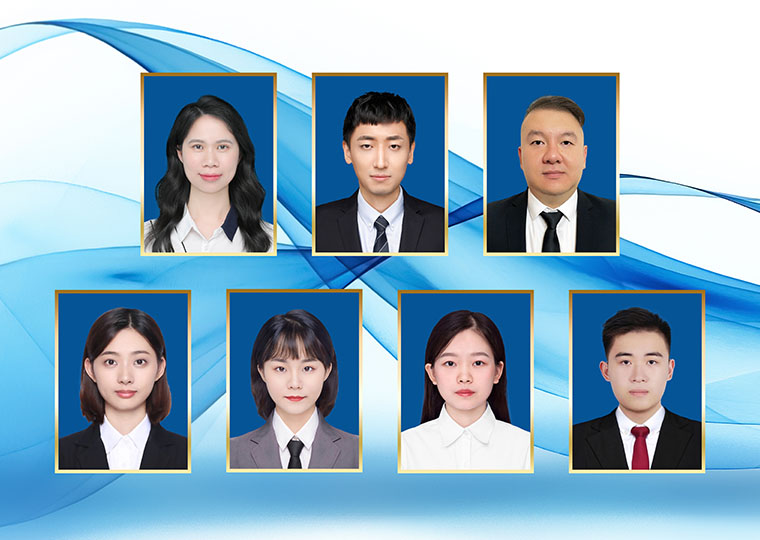
LEGAL TEAM: Department of Compliance and Legal Affairs at Wang Lao Ji Great Health Industry
TEAM LEADER: Zhao Xiaobo, legal director
KEY POINTS: The longstanding courtroom dispute over the ownership of the 王老吉 (Wong Lo Kat) trademark remains unresolved. However, the legitimate usage rights of this well-known herbal tea brand in Macau have been conclusively determined. Under the unfavourable circumstances of losing in both the first and second instances, Wang Lao Ji Great Health Industry, a subsidiary of Guangzhou Pharmaceutical Group, turned the tide by emphasising the legislative intent of trademark Laws and regulations. The Court of Final Appeal of Macau ruled that the two original trademark holders had not “seriously used” the trademark, thereby declaring its registration invalid.
The court stated that if the holder of a registered trademark has the “right” to exclusive use of the trademark, the holder also bears the obligation to use it. Speculative registration merely to prevent others from using the trademark does not constitute serious use. This perspective overturned the earlier view of the intermediate court, which held that renewal of a trademark constitutes serious use.
The company’s executive vice president, Zhao Min, recognises the legal team for “breaking through conventional trial approaches and overcoming the passive situation in the region … laying the foundation for subsequent market sales and actively contributing to the advancement of local IP protection”.
WINNER REMARKS: Wang Lao Ji’s compliance and legal affairs department handles all legal affairs related to Wanglaoji herbal tea. Early on, it curbed the unauthorised use of the brand by third parties through at least 20 lawsuits. Over the past decade, it built the company’s legal framework, set up compliance rules, and protected its intellectual property.
As the company expands internationally, the department has focused on global IP protection, using methods such as “cancellation based on non-use” and “trademark invalidation declarations”. It has reclaimed overseas “Wanglaoji” trademarks, offering practical insights for protecting traditional Chinese brands abroad.